
Creating a productive home office environment is essential for anyone working remotely or managing a home-based business. A well-designed workspace can improve your focus, comfort, and overall work efficiency. Whether you have a dedicated room or a corner in your living space, these tips will help you create an effective home office that supports your daily tasks.
Choose the Right Location
The foundation of a productive home office starts with selecting the right spot in your home. Consider the following when picking your workspace:
– Quiet Area: Find a space away from household distractions like the TV or busy foot traffic.
– Natural Light: Position your desk near a window to reap the benefits of sunlight, which can boost mood and energy.
– Ventilation: Ensure good airflow to keep the room fresh and comfortable.
– Privacy: If possible, choose a spot where you can close a door to signal focused work time.
Even if space is limited, carving out a dedicated area just for work can help separate professional tasks from daily life.
Invest in Ergonomic Furniture
Comfort is key for long hours at your desk. Ergonomic furniture supports your posture and reduces strain on your body:
– Adjustable Chair: Look for a chair with adjustable height and lumbar support to fit your body’s needs.
– Desk Height: Your desk should be at a height that allows your elbows to rest at a 90-degree angle.
– Monitor Stand: Use a stand or riser to place your screen at eye level, preventing neck strain.
– Footrest: A footrest can improve circulation and comfort if your feet don’t reach the floor.
Taking the time to set up ergonomic furniture pays off in better health and fewer distractions caused by discomfort.
Keep Your Workspace Organized
A cluttered desk can be a major productivity killer. Keep your home office tidy with these organization tips:
– Declutter Daily: Spend five minutes at the end of each workday clearing your desk.
– Use Storage Solutions: Bins, drawers, and shelves help keep supplies and documents neatly stored.
– Cable Management: Use clips or ties to manage cords and prevent tangles.
– Minimal Decor: Decorate with a few personal items to make the space inviting but avoid overcrowding.
An orderly workspace helps you focus, reduces stress, and makes it easier to find what you need quickly.
Optimize Lighting
Proper lighting reduces eye strain and helps maintain your energy throughout the day:
– Natural Light: Maximize daylight, but use blinds or curtains to reduce glare on screens.
– Task Lighting: Add a desk lamp with adjustable brightness to illuminate your work area.
– Ambient Lighting: Use soft overhead lighting to create a warm environment.
Avoid harsh fluorescent lights and ensure your workspace is well-lit but comfortable.
Set Boundaries and Routine
Separating work from home life can be tricky without clear boundaries:
– Defined Work Hours: Set consistent start and end times for your workday.
– Break Time: Schedule regular breaks to stretch, move around, and rest your eyes.
– Signal Boundaries: Use a closed door or a “Do Not Disturb” sign to minimize interruptions.
– Dress for Work: Changing into work clothes can help shift your mindset.
Establishing a routine and boundaries improves focus during work hours and helps you disconnect after.
Use Technology Wisely
The right technology can enhance your productivity, but it’s important to manage it effectively:
– Reliable Internet: Ensure a fast and stable connection to avoid disruptions.
– Organized Digital Files: Keep your computer files and emails tidy for easy access.
– Productivity Tools: Use apps for task management, note-taking, and communication.
– Limit Distractions: Turn off non-work notifications and use focus modes on your devices.
Your technology setup should support your work flow, not disrupt it.
Personalize Your Space
Adding personal touches can make your home office a pleasant place to spend time:
– Plants: A few small plants can improve air quality and add a calming effect.
– Artwork or Photos: Include inspiring images or photos of loved ones to boost your mood.
– Comfort Items: A cozy blanket or a favorite mug can add a sense of comfort.
Balance personalization with professionalism, especially if you attend video calls from your space.
Maintain Cleanliness
Regular cleaning keeps your work environment hygienic and inviting:
– Dust and Wipe Surfaces: Clean your desk, keyboard, and other surfaces weekly.
– Air Quality: Open windows when possible and consider an air purifier.
– Trash Removal: Empty waste bins regularly to prevent smells and clutter.
A clean space helps your mind feel clear and ready to focus.
—
Creating a productive home office environment is about more than just the physical setup. It’s also about developing habits that support your workday and choosing a space that nurtures both comfort and focus. By taking these steps, you can build a home office that not only looks great but also helps you get your best work done every day.
Related Posts
Tips for Creating a Cozy and Inviting Home Office Space
Creating a cozy and inviting home office space is more…
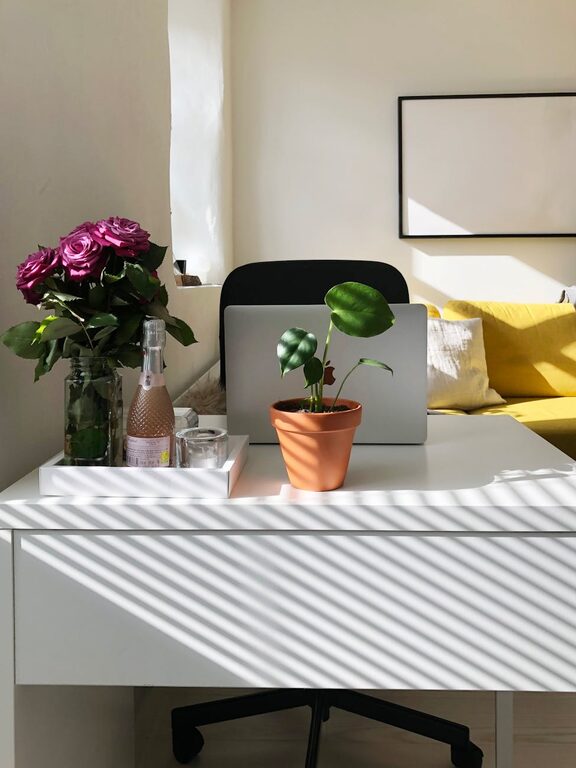
Tips for Creating a Cozy and Functional Home Office Space
Creating a home office that is both cozy and functional…
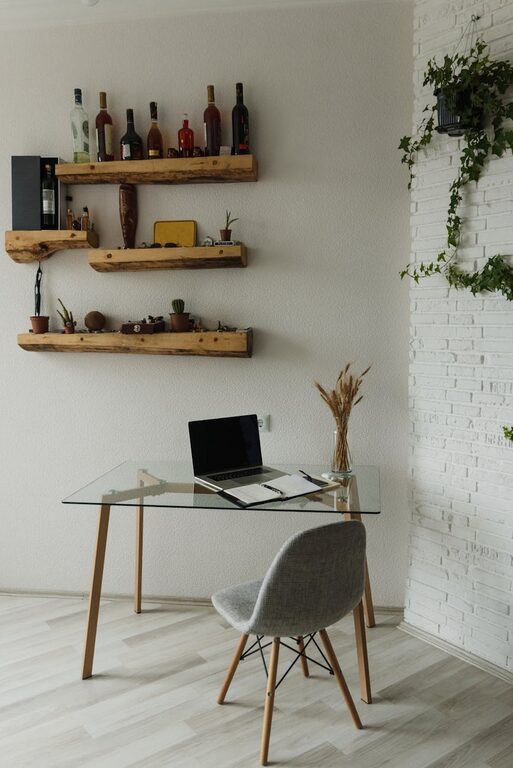
Tips for Creating a Cozy and Functional Home Office Space
Creating a home office that balances comfort and functionality can…