
Creating a home office that’s both cozy and functional can greatly improve your productivity and overall work experience. Whether you’re working remotely full-time or just occasionally need a dedicated workspace, designing an environment that feels comfortable yet efficient is key. In this post, we’ll explore practical tips and ideas to help you build a home office that supports your work and well-being.
Why a Cozy and Functional Home Office Matters
Your workspace directly impacts how focused and motivated you feel. A cluttered, uncomfortable, or uninspiring area can make it difficult to concentrate and increase stress. Meanwhile, a cozy, well-organized, and personalized office can boost creativity and help you maintain a healthy work routine.
Choosing the Right Location
Consider Natural Light
Select a spot near a window if possible. Natural light improves mood, reduces eye strain, and makes the space more inviting. If natural light is limited, invest in good quality lighting that mimics daylight.
Minimize Distractions
Try to find a quiet corner away from the busiest areas of your home. This helps you stay focused and signals to others that you’re in “work mode.”
Think About Space Needs
Determine how much space you need for your computer, paperwork, and other tools. Your home office doesn’t have to be large, but it should comfortably accommodate everything without feeling cramped.
Furniture and Layout
Invest in an Ergonomic Chair
A good chair supports your posture and reduces back pain. Look for adjustable height, lumbar support, and comfortable cushioning.
Choose an Appropriate Desk
Pick a desk that fits your working style. It should offer enough surface area for your monitor, keyboard, and any documents you use regularly.
Keep Frequently Used Items Within Reach
Arrange your desk so essential items like pens, notebooks, and your phone are easily accessible to minimize interruptions.
Consider Multi-functional Furniture
If space is tight, use furniture that can serve multiple purposes, such as a desk with built-in storage or a foldable table.
Organizing Your Space
Declutter Regularly
Remove unnecessary items and keep your desk tidy. A clean workspace helps clear your mind.
Use Storage Solutions
Shelves, drawers, and organizers keep paperwork, office supplies, and personal items neat and out of sight.
Label Folders and Containers
Clear labeling makes it easy to find what you need quickly and maintain organization over time.
Personalizing Your Office
Add Comfortable Textiles
Incorporate cushions, rugs, or blankets to make the space cozy and inviting.
Display Art or Inspirational Quotes
Wall art or motivational phrases can inspire creativity and brighten your mood.
Bring in Greenery
Plants improve air quality and add a touch of nature, making your office feel more lively.
Lighting and Ambiance
Layer Your Lighting
Combine natural light, overhead lighting, and task lamps to create a well-lit environment for any time of day.
Adjust Lighting to Reduce Glare
Position your desk and monitor to minimize reflections that cause eye strain.
Use Warm Light for a Cozy Feel
Choose bulbs with soft, warm light to keep the space comfortable and relaxing.
Enhancing Productivity
Set Up a Dedicated Tech Station
Keep chargers, cables, and devices organized and out of the way to avoid clutter.
Use Noise-Canceling Headphones
These help block out background noise when you need to concentrate.
Incorporate Break Areas
If you have room, create a small zone with a comfy chair for short breaks, which can refresh your mind.
Maintaining Work-Life Balance
Establish Boundaries
Design your workspace in a way that clearly separates work from home life. When you finish working, try to “leave” your office space to unwind.
Keep Your Workspace Clean at Day’s End
Tidying up before finishing work signals the end of the workday and helps you relax.
Final Thoughts
Creating a cozy and functional home office doesn’t require a complete remodel. Small changes like adding a few personal touches, organizing efficiently, and investing in comfortable furniture can make a big difference. Designing a space that feels good to be in will not only improve your productivity but also your overall work-life experience. Start with one or two changes today, and gradually tailor your office to suit your needs perfectly.
Related Posts
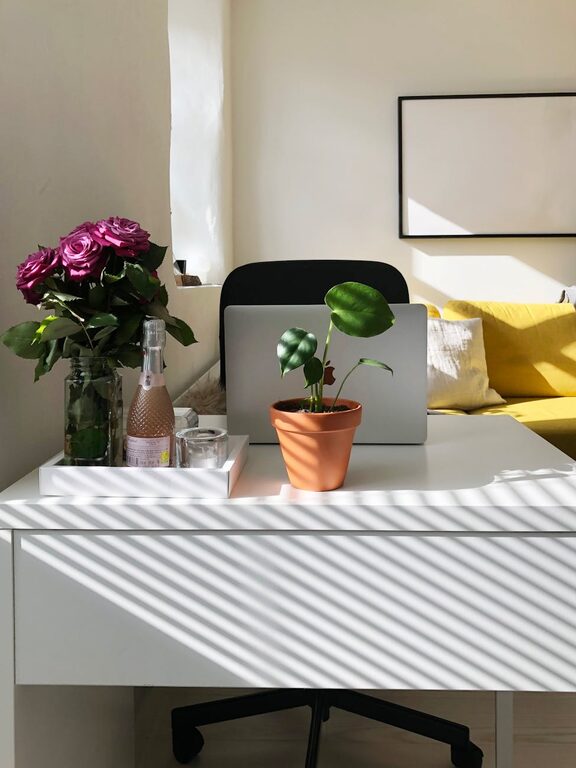
Tips for Creating a Cozy and Functional Home Office Space
Creating a home office that is both cozy and functional…
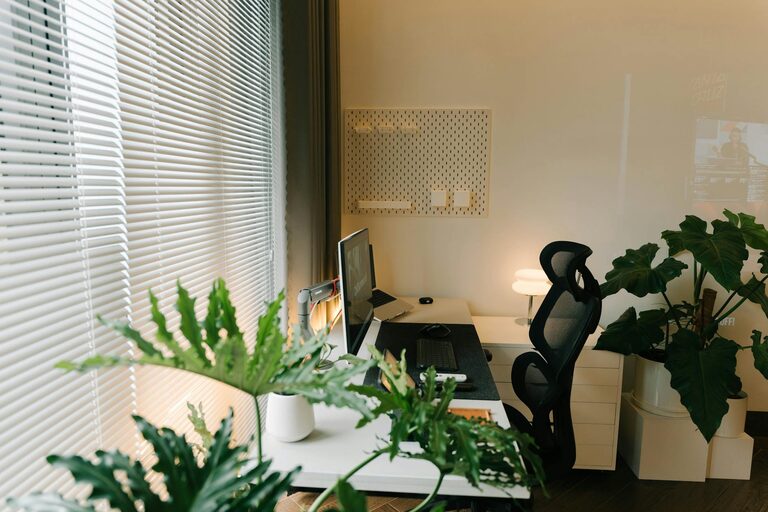
Tips for Creating a Cozy and Functional Home Office Space
Creating a home office that is both cozy and functional…
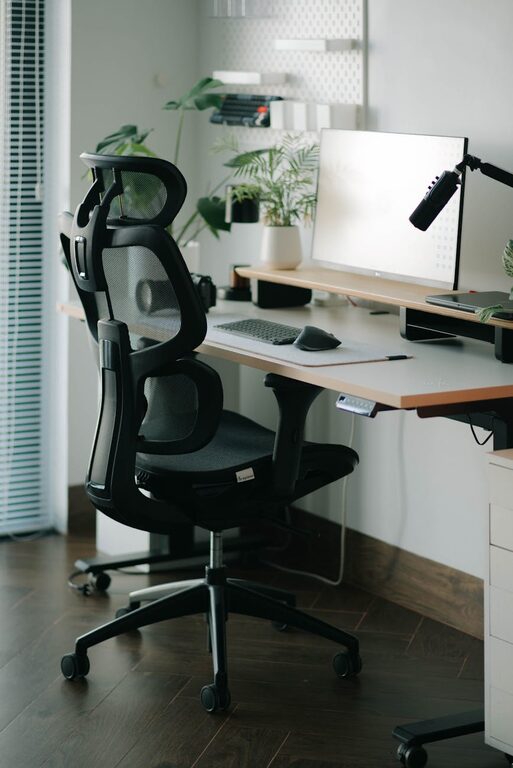
Tips for Creating a Productive Home Office Environment
Creating a productive home office environment is essential for anyone…